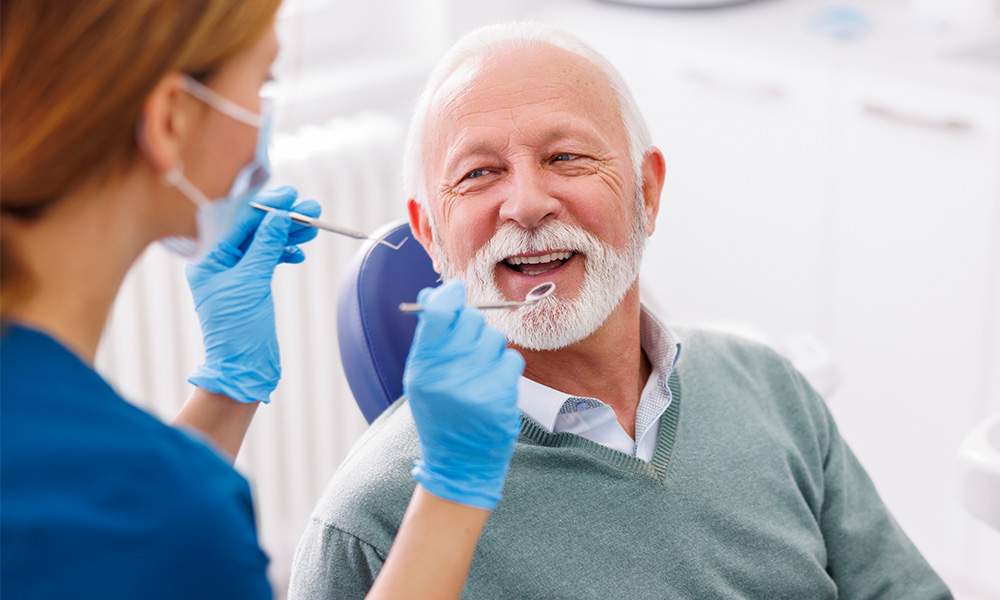
Exploring the Role of Sensory Experiences in Enhancing Dental Visits

Understanding Sensory Elements in Dental Care

Dental visits can be overwhelming for many individuals due to the various sensory experiences involved. From the distinctive sounds of dental equipment to the unique aromas and tactile sensations, these elements significantly impact patient comfort and overall experience. When seeking dental care, whether from a dentist Balwyn or any other practitioner, understanding these sensory aspects becomes crucial for both patients and dental professionals.

The Impact of Sensory Processing in Dental Settings

Visual Elements

The visual environment of a dental practice plays a vital role in patient comfort. Thoughtful consideration of lighting, colour schemes, and visual distractions can help create a more welcoming atmosphere. Many dental practices now incorporate calming artwork and natural elements to provide positive visual stimulation during appointments.

Auditory Considerations

The sounds associated with dental procedures often rank among the most challenging aspects for patients. Understanding how dental sounds affect patient anxiety has led to innovations in managing acoustic experiences. Some practices now offer noise-cancelling headphones or calming music to help patients manage these auditory stimuli.

Creating Sensory-Friendly Environments

Modern dental practices increasingly recognise the importance of creating environments that accommodate various sensory needs. This awareness has led to the development of innovative approaches for creating comfortable dental experiences, particularly for individuals with heightened sensory sensitivity. Key elements of sensory-friendly dental environments include:

  • Adjustable lighting options
  • Temperature-controlled treatment rooms
  • Scent-neutral spaces
  • Textured items for tactile comfort
  • Sound management solutions

These adaptations benefit not only patients with specific sensory needs but enhance the experience for all visitors. When visiting a dentist Balwyn or any dental practice, patients might notice these thoughtful modifications designed to create a more comfortable environment.

The Role of Communication

Effective communication about sensory experiences forms a crucial part of modern dental care. Dental professionals increasingly recognise that each patient’s sensory processing patterns are unique, requiring individualised approaches to care. This understanding has led to more personalised treatment strategies that consider each patient’s specific sensory preferences and concerns.

Addressing Individual Sensory Needs

For many individuals, dental visits can present unique challenges related to their sensory processing patterns. Supporting patients with diverse sensory requirements has become an essential aspect of contemporary dental care. When visiting a dentist Balwyn or other dental practices, patients may encounter various accommodations designed to address these needs.

Personalised Sensory Solutions

Modern dental practices often provide personalised solutions to help manage sensory experiences during treatment. These may include:

  • Weighted blankets for comfort
  • Choice of preferred scents or neutralisers
  • Various lighting options
  • Selection of music or white noise
  • Breaks during treatment as needed

Technology and Sensory Management

Technological advances have introduced new ways to manage sensory experiences in dental settings. Virtual reality headsets, for instance, can provide immersive distraction during treatments. Additionally, modern dental equipment often incorporates features designed to minimise sensory impact, such as quieter drills and gentler suction devices.

Moving Forward with Sensory-Aware Dental Care

The dental industry continues to evolve in its understanding and accommodation of sensory experiences. This progression reflects a broader shift towards more patient-centred care that considers the whole person, not just their oral health needs. As awareness grows, dental practices increasingly implement sensory-friendly approaches that benefit all patients, regardless of their specific sensory processing patterns.

The future of dental care looks promising as more practices embrace sensory-aware approaches. These developments suggest a continuing trend toward more comfortable, accessible dental experiences for everyone. By acknowledging and addressing the role of sensory experiences in dental visits, practices can create environments where all patients feel more at ease and supported during their dental care journey.

Building a More Inclusive Future

The emphasis on understanding and managing sensory experiences in dental settings represents a significant step forward in healthcare delivery. This approach not only improves the immediate experience of dental visits but also helps build lasting, positive relationships between dental practitioners and their patients. As practices continue to develop their understanding of sensory needs, the future of dental care becomes increasingly accessible and comfortable for all patients.

Any surgical or invasive procedure carries risks. Before proceeding you should seek a second opinion from an appropriately qualified health practitioner.

Read More

Share

Smile Transformation: Exploring the Science Behind Dental Photography

The Art and Science of Capturing Dental Images

In modern dentistry, photography plays a crucial role in documenting, planning, and executing dental procedures. When visiting a dentist Coorparoo or any dental professional, patients might notice sophisticated camera equipment as part of the practice’s essential tools. This specialised field combines technical expertise with artistic elements to create precise dental records.

Technical Aspects of Dental Photography

Dental photography requires specific equipment and techniques to capture the intricate details of oral structures. Professional dental photography equipment and techniques have evolved significantly over the years, incorporating advanced digital technology and specialised lighting systems.

Essential Equipment Components

  • Digital SLR cameras with macro capabilities
  • Ring flash units for even illumination
  • Intraoral mirrors and retractors
  • Specialised dental photography backgrounds
  • Colour correction tools and calibration devices

Clinical Applications and Benefits

When visiting a dentist, patients might wonder about the purpose of dental photography. These images serve multiple functions in modern dental care:

  1. Treatment Planning: Detailed photographs help in creating comprehensive treatment plans
  2. Patient Education: Visual aids assist in explaining procedures and conditions
  3. Progress Documentation: Sequential images track treatment progress
  4. Laboratory Communication: Precise colour matching and shade selection

Advanced Imaging Techniques

Modern dental photography incorporates various specialised techniques to capture different aspects of oral health. Advanced dental photography methods and protocols ensure consistent, high-quality images that serve both clinical and documentary purposes.

Digital Innovation in Dental Imaging

The digital revolution has transformed dental photography, introducing new possibilities for image capture and analysis. When patients visit their dentist, they might experience these innovations firsthand. Digital dental imaging demonstrations showcase how modern technology enhances diagnostic capabilities and treatment planning.

The Role of Artificial Intelligence

The integration of artificial intelligence in dental photography has revolutionised how images are analysed and interpreted. Machine learning algorithms can now assist in identifying potential dental issues, comparing treatment progress, and even predicting possible outcomes of dental procedures.

Enhanced Diagnostic Capabilities

Modern dental imaging systems offer unprecedented clarity and detail, enabling practitioners to:

  • Detect early signs of dental conditions
  • Monitor changes in oral structures over time
  • Create detailed records for treatment planning
  • Share information efficiently with specialists

Patient Communication and Education

Dental photography serves as a powerful tool for patient education and communication. Visual documentation helps patients understand their oral health conditions and proposed treatments. This transparency leads to better-informed decisions and improved patient engagement in their dental care journey.

Documentation Standards

Professional dental photography follows strict protocols to ensure consistency and reliability:

  1. Standardised angles and positions
  2. Proper lighting techniques
  3. Accurate colour representation
  4. Systematic documentation procedures

Future Developments in Dental Imaging

The field of dental photography continues to evolve with emerging technologies. Three-dimensional imaging, augmented reality applications, and advanced digital processing techniques are shaping the future of dental documentation and treatment planning.

Moving Forward in Dental Care

The science behind dental photography represents a fascinating intersection of technology and healthcare. As imaging techniques continue to advance, they provide increasingly valuable tools for dental professionals and patients alike. This technological progress ensures more precise diagnoses, improved treatment planning, and better communication between dental practitioners and their patients. The ongoing evolution of dental photography demonstrates how modern dentistry embraces technological advancement while maintaining its focus on patient care. Through these innovations, dental professionals can provide more accurate, efficient, and patient-centred care, ultimately contributing to better oral health outcomes for all.

Any surgical or invasive procedure carries risks. Before proceeding you should seek a second opinion from an appropriately qualified health practitioner.

Read More

Share

Transforming SEO with Emotionally Intelligent Chatbots

The Evolution of Digital Dental Marketing

The dental industry has witnessed remarkable technological advancements, particularly in the realm of dental SEO and patient communication. As practices navigate the digital landscape, emotionally intelligent chatbots have emerged as powerful tools for enhancing online visibility and patient engagement.

Understanding AI-Powered Dental Communication

Modern dental practices are discovering innovative ways to connect with patients through artificial intelligence solutions that revolutionise dental practice visibility. These sophisticated systems go beyond simple automated responses, incorporating emotional intelligence to create meaningful interactions with potential patients.

The Role of Emotional Intelligence in Digital Engagement

Emotionally intelligent chatbots analyse user sentiment and adapt their communication style accordingly. They recognise anxiety-related keywords and respond with empathetic, reassuring language that helps put nervous patients at ease. This psychological approach to digital communication creates a more welcoming online environment for dental practices.

Key Benefits of Smart Chatbot Integration

The integration of emotionally aware chatbots into dental websites offers numerous advantages:

  • Enhanced patient experience through 24/7 personalised interactions
  • Improved website engagement metrics
  • Streamlined appointment scheduling processes
  • Natural language processing for better query understanding
  • Automated follow-up communication

Impact on Search Engine Rankings

When dental practices implement intelligent chatbot systems, they often see improvements in their search engine performance. These sophisticated tools contribute to longer website visit durations and reduced bounce rates, factors that positively influence search rankings. Additionally, the natural conversation flow helps generate relevant content that aligns with search engine algorithms.

Implementing Chatbot Technology

The process of incorporating emotionally intelligent chatbots requires careful consideration of various elements. Modern AI-driven chatbot solutions for dental practices can be customised to reflect the unique voice and values of each practice while maintaining professional standards.

Personalisation and Patient Experience

Modern chatbot systems excel at creating tailored experiences for website visitors. They remember previous interactions, understand context, and can provide relevant information about dental procedures whilst maintaining appropriate professional boundaries. This level of personalisation helps practices stand out in competitive digital marketplaces.

Data-Driven Insights

One of the most valuable aspects of intelligent chatbots is their ability to gather and analyse patient interaction data. These insights help dental practices understand common concerns, frequently asked questions, and peak engagement times. This information proves invaluable for refining SEO strategies and improving online content.

Future Developments in Dental AI

The integration of emotionally intelligent chatbots represents just the beginning of AI applications in dental practice marketing. Emerging AI technologies are reshaping dental website optimisation and patient communication methods, suggesting exciting possibilities for the future of digital dental marketing.

Enhanced Patient Communication

As natural language processing capabilities continue to advance, chatbots are becoming increasingly sophisticated in their ability to:

  • Recognise and respond to complex patient queries
  • Provide multilingual support
  • Offer contextually relevant educational resources
  • Guide patients through preliminary consultation processes

Moving Forward in Digital Dentistry

The transformation of dental digital marketing through emotionally intelligent chatbots marks a significant step forward in patient communication and engagement. As these systems continue to evolve, they will play an increasingly important role in helping dental practices maintain strong online presences and meaningful patient relationships. The integration of emotional intelligence into dental practice websites through advanced chatbot technology represents a fundamental shift in how dental practices approach online patient engagement. By combining sophisticated AI capabilities with empathetic communication, practices can create more welcoming digital environments whilst improving their visibility in search results. The future of dental marketing lies in the thoughtful application of these technologies, always maintaining a balance between automation and the human touch that remains essential in healthcare services. As practices continue to adapt to changing digital landscapes, emotionally intelligent chatbots will remain valuable tools in their marketing strategies.

Any surgical or invasive procedure carries risks. Before proceeding you should seek a second opinion from an appropriately qualified health practitioner.

Read More

Share