Losing Focus Easily? Premium Delta-8 Products Can Support More Productive Moments

Mental focus can fade when routines become repetitive. Premium delta-8 products can support calmer, more intentional moments for certain adult users. OutSFL offers a useful reference point for considering product quality, formulation, and responsible use. The strongest choices emphasize clear labeling and measured serving sizes. Focus also depends on sleep, hydration, workload, and environment. Delta-8 should complement those foundations rather than replace them.

Premium Formulas Can Encourage Intentional Routines

Product quality starts with transparent formulation and consistent labeling. A carefully selected option makes serving control easier. That matters during focused activities requiring steady attention. Premium positioning should reflect more than attractive packaging.

  • Clear ingredient information supports informed choices.
  • Measured servings simplify personal routine planning.
  • Reliable labeling reduces unnecessary guesswork.
  • Responsible use keeps expectations realistic.

Can Delta-8 Fit Focused Work?

For certain adults, delta-8 may promote relaxation that supports a calmer setting. A less tense environment can make sustained tasks feel more manageable. Still, individual responses vary, and impairment can occur. Focused work should never involve driving or safety-sensitive duties.

Product Selection Shapes The Experience

Formulation, potency, and serving guidance all matter. OutSFL can represent a quality-focused purchasing consideration when evaluating available options. Rather than chasing maximum strength, consumers can prioritize predictable dosing and clear product information.

OutSFL

A practical approach starts with modest servings and patience. Effects can take time, making rapid increases unwise. Consistent routines also help distinguish product effects from environmental distractions.

Which Habits Protect Productive Moments?

Delta-8 cannot compensate for poor daily foundations. A focused routine benefits from simple environmental controls and realistic workload planning.

  • Remove unnecessary digital interruptions.
  • Keep demanding tasks time-limited.
  • Maintain regular hydration throughout work.
  • Protect consistent nighttime sleep.

These habits create conditions where concentration has room to develop. Delta-8 may complement that setting, but it cannot substitute for recovery.

Premium Choices Reward Careful Evaluation

A polished label does not guarantee superior performance. Consumers can examine cannabinoid content, ingredients, serving guidance, and testing information before purchasing. Clear documentation provides stronger evidence than marketing language alone.

Product selection also deserves attention to personal circumstances. Adults taking medications or managing health concerns should seek qualified medical advice before using cannabinoid products. Local regulations can matter as well.

Small Details Can Change Focus

Productive moments often depend on small decisions rather than dramatic changes. A measured serving, quiet workspace, and defined task can create a more controlled routine. That combination reframes delta-8 as one consideration among several, not a shortcut to concentration. The strongest routine remains the one built around deliberate choices.

FAQs

Can delta-8 improve concentration?
Delta-8 is not a proven concentration enhancer. Individual responses can vary, including relaxation or impairment.

What makes a delta-8 product premium?
Transparent labeling, measured servings, quality ingredients, and credible testing provide stronger indicators.

Should beginners use high-potency products?
Starting with modest servings is more prudent. Rapid increases can raise the chance of unwanted effects.

Can delta-8 replace healthy focus habits?
No. Sleep, hydration, workload control, and fewer distractions remain important foundations.

Read More

Share

How Research Focus Differs Between These Two Peptides

Ask someone in a compounding pharmacy why two peptides keep showing up in the same sentence, and the answer usually has less to do with what they do and more to do with when researchers started asking about them together.

BPC-157 and TB-500 get paired often enough in nomination files and advisory hearings that it’s easy to assume their research histories run in parallel. They don’t, not exactly.

Where the Two Peptide Literatures Diverge

BPC-157 traces back to research into a protein found in gastric juice. Early animal work centered on gut lining protection. Later studies extended that interest into tendon and ligament injury, largely because a similar local signaling process seemed to show up in both settings.

TB-500 traces back to thymosin beta-4, a protein with a much wider natural distribution in the body. Its research base leans on cell migration, how tissue responds when cells need to move into a damaged area rather than stay anchored to one location.

That distinction, local signaling versus broader cell movement, is the closest thing to a throughline across the two literatures. It doesn’t make the peptides interchangeable. It mostly explains why they’ve been studied for some of the same injury models.

BPC-157 TB-500 explained

Comparing the Research Focus at a Glance

BPC-157 TB-500
Preclinical focus Gut lining protection, tendon and ligament repair, local vessel growth Cell migration, wound response, broader tissue distribution
Typical study settings Rodent models of gut and tendon injury Rodent and cell culture models of wound and muscle tissue
FDA 503A history Category 2 designation in 2023, removed from Category 2 in April 2026 Category 2 designation in 2023, removed from Category 2 in April 2026
July 2026 PCAC vote Recommended for the 503A Bulks List, 8 to 6, one abstention Recommended for the 503A Bulks List, 8 to 6, one abstention
Current FDA status Not an approved drug. Not a legal over the counter product Not an approved drug. Not a legal over the counter product

The Regulatory Path Behind Both Names

The path for BPC-157 and TB-500 has run on a tangled timeline, and it’s worth knowing before reading too much into any research summary built around either one.

Both were placed on the FDA’s Category 2 list of bulk drug substances in 2023, a category reserved for substances the agency considers to carry significant safety concerns for compounding. That placement effectively blocked compounding pharmacies from preparing either peptide for patients.

In April 2026, the FDA removed both from Category 2, following withdrawal of their original compounding nominations. Removal from Category 2 isn’t approval. Neither peptide moved onto Category 1, the list compounding pharmacies are actually permitted to draw from.

Then in July 2026, the FDA’s Pharmacy Compounding Advisory Committee reviewed both for possible inclusion on the 503A Bulks List, the list that would make compounding legal under federal law. The committee voted in favor of both, breaking with the FDA’s own staff recommendation against listing them.

A favorable committee vote isn’t a rule change. Formal rulemaking still has to happen before either peptide could legally be compounded, and that process typically runs a year or more. Right now, neither BPC-157 nor TB-500 is an FDA-approved drug, and neither has legal status as an over the counter product.

What Shared Interest Doesn’t Establish

Two peptides showing up in the same hearing, or the same nomination cycle, doesn’t mean their research supports the same conclusions. Much of the overlap here is circumstantial. Both got nominated around the same period, both landed in the same regulatory review.

The underlying laboratory work still points in somewhat different directions. Treating one peptide’s animal data as evidence for the other blurs a line the research itself hasn’t blurred.

What actually connects BPC-157 and TB-500 in the literature isn’t a shared mechanism so much as a shared timeline. Their names have moved through the same regulatory documents, the same advisory hearings, the same review cycles. The biology underneath tells a more separate story than the paperwork suggests.

Read More

Share

Boost Skin Care Routines With CBD Oil Supporting Healthier-Looking Skin

Skin care becomes easier when every product has purpose. CBD oil can add another layer to simple daily care. For shoppers comparing cbd oil canada reviews, product details can guide practical choices. Texture, ingredients, and concentration all shape the experience. A steady routine also matters more than adding products quickly. With gentle cleansing and regular moisture, CBD oil can fit naturally. The goal remains comfortable, balanced-looking skin through sensible daily habits.

CBD Oil Fits Into Simple Moisture Care

After cleansing, skin can feel dry or tight. A small amount of CBD oil can soften that feeling. The oil spreads best across slightly damp skin. Moisturizer can follow when extra hydration feels useful.

  • Gentle cleansing keeps the routine comfortable.
  • Small amounts prevent an overly greasy finish.
  • Lightweight formulas suit layered morning care.
  • Richer blends can complement evening routines.

This approach keeps each step useful without crowding the routine.

Can CBD Oil Support Skin Comfort?

Comfort matters when facial care becomes part of daily life. CBD oil can provide a smooth layer across freshly cleansed skin. Its role depends on the complete formula, not CBD alone. Carrier oils and added ingredients can change texture and feel.

For informed product choices, cbd oil canada reviews can reveal useful details about texture, packaging, and everyday user experience. Those observations can help shoppers compare suitable formulas.

cbd oil canada reviews

Ingredient Choices Shape The Overall Routine

A CBD formula works best beside uncomplicated skin care. Strong cleansers may leave skin feeling tight before oil reaches the surface. Adding several new products also makes reactions harder to understand.

  • Simple formulas make changes easier to track.
  • Fragrance deserves attention when skin feels sensitive.
  • Patch testing can reduce unwanted surprises.
  • Familiar moisturizers can maintain routine consistency.

Instead of chasing numerous ingredients, focused care keeps decisions clearer.

When Should CBD Oil Enter Skin Care?

Timing depends on texture, routine demands, and personal preference. Morning use can work beneath moisturizer and sunscreen. Evening application allows richer formulas without makeup concerns.

After cleansing, a few drops can spread evenly. The user can then apply moisturizer if needed. This order keeps the oil close to clean skin. Still, product directions should guide the final application method.

Product Quality Deserves Close Attention

Clear labeling gives shoppers useful information before purchase. Concentration, carrier oils, additives, and storage guidance all matter. Packaging also affects how well the formula stays protected.

Price alone cannot explain product quality. A lower-cost bottle may suit one routine better. Another formula may offer a texture that feels more comfortable. For that reason, practical details deserve attention before brand claims.

Consistency Gives The Routine Its Value

A thoughtful routine does not need endless steps. Cleansing, CBD oil, moisturizer, and daytime sunscreen can form a manageable sequence. Regular use makes changes easier to notice over time.

That consistency also reduces unnecessary product switching. When one formula fits comfortably, frequent changes become less useful. The routine becomes easier to maintain, and the bathroom shelf stays simpler.

Read More

Share

How Your Chewing Side Preference Creates Uneven Dental Wear and Affects Long-Term Jaw Balance

Understanding the Hidden Impact of Chewing Habits

Most people rarely consider which side of their mouth they favour when eating, yet a dentist Leatherhead recognises that this seemingly insignificant preference can have far-reaching consequences for dental health and jaw alignment. Rather like being left-handed or right-handed, individuals naturally develop a preferred chewing side, often without conscious awareness. This habitual pattern, whilst entirely normal, can gradually lead to asymmetrical wear patterns on teeth and create imbalances in the temporomandibular joint (TMJ) that may manifest years down the line.

The human masticatory system is designed for bilateral function, meaning both sides of the jaw should ideally share the workload of breaking down food. When one side consistently bears the brunt of chewing forces, the teeth on that side experience accelerated wear whilst the opposing side remains relatively underutilised. This disparity doesn’t occur overnight but develops progressively over months and years of repeated use, creating subtle yet measurable differences in tooth structure and jaw muscle development.

The Science Behind Unilateral Chewing Patterns

Research into mastication patterns and dental wear has revealed fascinating insights into how chewing preferences develop and persist throughout life. Various factors contribute to establishing a dominant chewing side, including dental occlusion, previous dental work, missing teeth, or even childhood habits that become entrenched in adulthood. The preference may also stem from temporomandibular joint disorders that make chewing on one side uncomfortable, thereby reinforcing use of the opposite side.

The biomechanics of chewing involve complex interactions between muscles, bones, and teeth. When individuals consistently favour one side, the muscles on that side become stronger and more developed, whilst those on the neglected side may weaken. This muscular imbalance can alter the way the jaw closes and how teeth meet together, potentially leading to malocclusion over time. Dental professionals can identify these patterns through clinical examination and patient history.

Recognising the Signs of Asymmetrical Wear

Identifying uneven dental wear requires careful observation, though some signs become apparent to trained professionals during routine examinations. Understanding how chewing patterns reveal structural imbalances enables dentists to provide targeted interventions before significant damage occurs.

Common Indicators of Unilateral Chewing

  • Noticeably flatter tooth surfaces on one side compared to the other
  • Differences in enamel thickness between left and right molars
  • Asymmetrical jaw muscle development visible upon facial examination
  • Uneven gum recession patterns
  • Disparities in tooth sensitivity between sides

Long-Term Consequences for Jaw Balance and Oral Health

The cumulative effects of preferential chewing extend beyond simple tooth wear, influencing the entire craniofacial structure over time. The temporomandibular joint on the favoured side experiences greater compressive forces, potentially leading to cartilage degradation and joint remodelling. Meanwhile, the underutilised side may develop reduced bone density in the jaw due to insufficient mechanical stimulation, creating a structural imbalance that can affect facial symmetry.

Chronic unilateral chewing can also contribute to headaches, neck tension, and postural changes as the body attempts to compensate for the muscular asymmetry. The overworked muscles may become chronically tight and tender, whilst the weaker muscles on the opposite side struggle to provide adequate support during jaw movements. This imbalance can create a cycle where the preferred side becomes increasingly dominant, exacerbating existing wear patterns and functional limitations.

Impact on Dental Restorations

For individuals with dental fillings, crowns, or bridges, uneven chewing patterns can significantly affect the longevity of these restorations. The constant excessive force on one side may cause premature failure of dental work, requiring more frequent replacements and increasing long-term dental costs. Conversely, restorations on the neglected side may outlast their typical lifespan due to reduced functional demands.

Strategies for Restoring Balanced Chewing Function

Addressing unilateral chewing habits requires conscious effort and professional guidance. Dental practitioners can assess the extent of asymmetrical wear and recommend appropriate interventions tailored to individual circumstances. Simple awareness exercises, where patients mindfully alternate chewing sides during meals, can gradually retrain habitual patterns and promote more balanced muscle development.

In cases where structural issues prevent comfortable bilateral chewing, corrective treatments may be necessary. These might include orthodontic adjustments to improve occlusion, replacement of missing teeth, or treatment of underlying TMJ disorders. Regular dental check-ups remain essential for monitoring wear patterns and catching potential problems before they escalate into more serious conditions requiring extensive intervention.

Maintaining Optimal Oral Function for Years to Come

Understanding the relationship between chewing preferences and long-term dental health empowers individuals to take proactive measures in preserving their oral function. Whilst developing a preferred chewing side is natural, maintaining awareness of this tendency and making conscious efforts to distribute chewing forces more evenly can protect teeth from premature wear and preserve jaw balance well into later life. Professional dental guidance combined with mindful eating habits creates the foundation for sustained oral health and functional comfort.

Read More

Share

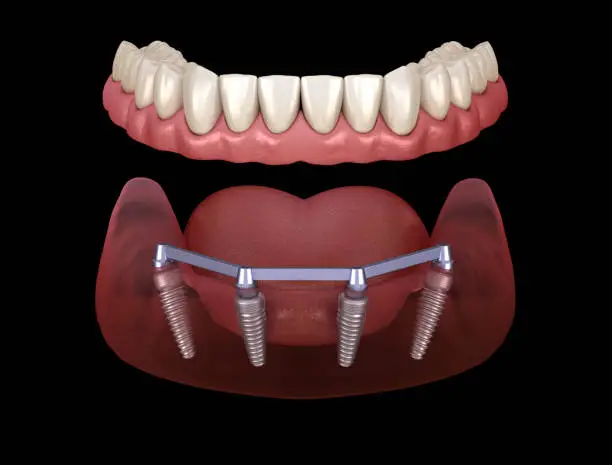
How Dental Implants Facilitate Clearer Communication in Professional and Social Settings

The Foundation of Confident Communication

In today’s interconnected world, the ability to communicate effectively stands as one of the most valuable assets anyone can possess. Whether delivering a presentation to colleagues, engaging in networking events, or simply enjoying conversations with friends, clear speech forms the cornerstone of successful interaction. What many people fail to recognise is how profoundly dental health influences communication quality. Missing teeth or ill-fitting dentures can significantly impair pronunciation, alter vocal resonance, and diminish overall speech clarity. This is where modern dental solutions, particularly dental implants Northern Ireland specialists provide, offer transformative benefits that extend far beyond aesthetics.

The relationship between dental structure and speech production is remarkably intricate. Teeth play a crucial role in forming consonants, particularly sounds like ‘S’, ‘T’, ‘D’, and ‘TH’. When gaps exist in the dental arch or when prosthetics shift during conversation, these sounds become distorted, leading to mumbling or unclear articulation. Many individuals find themselves unconsciously avoiding certain words or speaking more quietly to mask their difficulties, which can severely impact confidence in both professional and social contexts.

Understanding the Mechanics of Speech Production

The Role of Teeth in Articulation

Speech production requires precise coordination between various oral structures, including the tongue, lips, palate, and teeth. Each component contributes to the formation of distinct sounds that comprise spoken language. The teeth serve as crucial reference points for the tongue, particularly when producing alveolar sounds—those created when the tongue touches the ridge behind the upper front teeth. Without proper dental support, the tongue must compensate, often unsuccessfully, leading to slurred or imprecise speech patterns.

How Missing Teeth Affect Communication

When teeth are absent, the consequences ripple through multiple aspects of verbal communication. Air escapes through gaps where it shouldn’t, creating whistling sounds or causing sibilant consonants to sound mushy. The tongue may protrude into empty spaces, fundamentally altering the way sounds are shaped. Furthermore, the impact of dental implants on speech improvement demonstrates how restoring these missing elements can dramatically enhance clarity and confidence in communication.

The Transformative Impact of Dental Implants on Professional Communication

In professional environments, clear and confident communication can determine career trajectories. Presentations, client meetings, and everyday workplace interactions demand articulate speech free from distracting impediments. Dental implants practices offer provide a permanent solution that restores natural speech patterns. Unlike removable dentures that can slip during important conversations, implants remain securely anchored in the jawbone, providing the stability necessary for consistent, clear articulation throughout even the most demanding speaking engagements.

The psychological benefits accompanying improved speech clarity cannot be overstated. Professionals who previously worried about their pronunciation or avoided public speaking often experience renewed confidence after receiving implant treatment. This newfound assurance translates into more assertive communication, willingness to contribute during meetings, and greater comfort when networking with industry peers. The relationship between dental implants and enhanced speech capabilities extends beyond mere physical restoration to encompass emotional and professional empowerment.

Social Confidence and Quality of Life Enhancement

Beyond the boardroom, social interactions form the fabric of meaningful human connection. Dinner conversations, social gatherings, and intimate discussions with loved ones all require comfortable, effortless speech. Individuals with missing teeth often report withdrawing from social situations due to embarrassment about their speech or appearance. Dental implants eliminate these barriers, allowing people to engage fully in social life without self-consciousness or communication difficulties.

The permanence and functionality of implants mean users can speak, laugh, and engage without the constant awareness of their dental prosthetics. This naturalness proves particularly valuable in spontaneous social situations where confidence matters most. Research into dental implants and their effect on speech clarity consistently demonstrates significant improvements in communication quality and social engagement following treatment.

Embracing a Future of Clear Communication

The journey towards improved communication through dental restoration represents an investment in both personal and professional development. Modern dental implant technology offers solutions that closely mimic natural tooth function, providing the stable foundation necessary for clear, confident speech. For those experiencing communication difficulties related to missing teeth, exploring implant options with qualified professionals can open doors to enhanced quality of life, stronger professional relationships, and more fulfilling social interactions. The ability to communicate clearly and confidently remains fundamental to human connection, making dental health an essential component of overall wellbeing.

Read More

Share

The Best Tamil and Telugu Movies in 2024-25

The South Indian movies of 2024-25 have delivered powerful lingering messages. Tamil and Telugu film directors have pushed creative boundaries in terms of their film content, whether it is emotional or socially based.

At Aha, we present to you the most discussed movies of the year. With this list, we celebrate the movie performances, storytelling and culture that indeed makes great cinema.

Sathyam Sundaram (Meiyazhagan) (Tamil Dubbed, 2024)

The emotionally rich drama, Meiyazhagan, which has been released in Telugu as Sathyam Sundaram, features Karthi and Arvind Swamy in incredibly sensitive roles. The film, directed by C. Prem Kumar, describes the feelings of nostalgia, memory and silent ties that define human relationships.

Karthi is subtle and strong; Arvind Swamy matures and is emotionally serious. The narration is not based on any dramatic turn of events, but rather on dialogues and shared quiet moments, which makes the story a moving experience.

The movie is very touching with soulful music by Govind Vasantha, and the lyrical writing by the author makes the film very relatable to the viewers who have a heart.

Lucky Baskhar (2024)

Lucky Baskhar is one of the best movies that Dulquer Salmaan has done in Telugu. The film, directed by Venky Atluri, is based on the life of an ordinary banker whose life goes awry after he gets involved in money laundering and financial fraud.

Dulquer skillfully depicts a man grappling with conflicting ambitionand morality. It is a realistic story with emotional tension, providing the understanding of middle-class desires and moral issues.

35 – Chinna Katha Kaadu (2024)

Chinna Katha Kaadu is a critically acclaimed Telugu family drama starring Nivetha Thomas and directed by Nanda Kishore Emani. The movie centers on a mother who is struggling to make her way in society, the doubts and inner turmoil that she has to endure while trying to help her son overcome his academic problems.

The story is told in a very homely and natural way, avoiding tropes and clichés, focusing on the theme of resilience, parenting, and silent bravery. Nivetha Thomas gives an extremely natural performance that holds the film together.

Why Aha is the best site to find South Indian movies

Aha is also committed to South Indian entertainment and hence the ideal place where Tamil and Telugu movie lovers can find their favourite content. From the most popular movies to the highest-rated dramas, Aha adds material that can be characterised by the variety of local narratives. With the quality of streaming excellent, premieres exclusive, and a constantly expanding library of originals and movies, Aha is a place where you will never miss the best of South Indian cinema.

Conclusion

2024-25 has shown that powerful narratives and believable acting make great cinema. Through movies such as Sathyam Sundaram, Lucky Baskhar and 35 -Chinna Katha Kaadu, Ahashowcases the best in Tamil and Telugu films. Catch these titles only on Aha and be prepared to have a great time while you sit back and relax.

Read More

Share

Enhancing Learning Opportunities Using After School Enrichment Programs in New York

Meaningful educational activities help students develop broader knowledge through guided participation. Regular involvement in after school enrichment programs in New York provides valuable learning opportunities daily. Structured sessions encourage better understanding through engaging tasks across subjects. Learners strengthen important abilities through organized activities beyond classroom schedules. Consistent guidance supports balanced growth while improving academic progress steadily.

How Can Additional Activities Improve Learning?

Extra educational sessions provide greater exposure to useful knowledge areas. Students practice important abilities through organized tasks supporting better understanding. Regular participation helps strengthen attention while improving classroom performance steadily.

Additional opportunities also encourage productive habits that support future development. Learners gain wider perspectives through varied educational activities regularly.

Building Strong Academic Foundations Daily

Structured learning activities support subject understanding through consistent participation. Students improve performance steadily while developing confidence through guided practice.

Encouraging Active Participation Beyond Classes

Meaningful sessions encourage involvement through engaging educational opportunities regularly. Learners remain focused while strengthening communication through shared activities.

Steady participation creates positive learning habits supporting educational development. Organized guidance helps students achieve better outcomes across various subjects.

after school enrichment programs in New York

Why Do Enrichment Sessions Support Growth?

Educational activities provide useful learning opportunities beyond regular schedules. Students strengthen important abilities through practical tasks supporting development. Consistent engagement improves understanding while encouraging responsible learning habits.

Strengthening Knowledge Through Guided Practice

Educational guidance helps students understand concepts through repeated participation.

  • Reading activities improve comprehension through regular exposure to information.
  • Writing exercises strengthen expression through organized educational opportunities daily.
  • Discussion sessions encourage thoughtful communication during meaningful participation activities.
  • Guided reviews improve retention through structured educational reinforcement methods.
  • Practice tasks support accuracy through consistent educational engagement opportunities.

Supporting Better Focus During Activities

Organized sessions encourage concentration through meaningful educational participation opportunities.

  • Scheduled learning periods improve attention through structured educational routines.
  • Practical exercises strengthen observation during guided educational participation sessions.
  • Clear objectives support engagement through organized learning activities regularly.
  • Interactive tasks encourage involvement through purposeful educational opportunities daily.
  • Consistent guidance improves concentration during structured educational experiences effectively.

Encouraging Positive Learning Habits Daily

Regular participation supports productive habits across educational development areas.

  • Organized schedules encourage responsibility through meaningful educational involvement regularly.
  • Learning routines support discipline through structured participation opportunities daily.
  • Guided activities strengthen commitment through consistent educational engagement sessions.
  • Supportive feedback encourages improvement through constructive learning opportunities regularly.
  • Educational involvement promotes persistence through steady participation across activities.

Path Toward Lasting Progress

Steady educational support helps learners build useful abilities over time. Thoughtful guidance encourages stronger understanding through regular participation. Continued involvement in after school enrichment programs in New York supports broader academic development. Productive habits emerge through repeated engagement across meaningful activities daily. Sustainable improvement comes through consistency, careful effort, and steady execution practices.

Read More

Share

Gain Deeper Insight Into Romantic Compatibility Using Synastry Houses

Understanding relationship patterns can become easier through chart-based observation. The study of synastry offers a way to notice emotional links, shared interests, and shared aims. House placements reveal where attention naturally gathers between two people. These connections may provide useful clues about interaction styles and emotional responses with personal growth. Such insights can be explored further through the synastry chart.

House Connections And Attraction

Attraction often develops through specific house placements that draw attention toward certain qualities. These connections can show why one person feels naturally interested in another. Some overlays encourage admiration while others inspire curiosity or support.

Emotional Exchange Patterns

Emotional themes become clearer when house overlays highlight areas connected to feelings and personal reactions. These placements may reveal where understanding flows naturally or where greater patience is needed. Recognizing emotional tendencies can support stronger awareness between two individuals.

Personal Growth Through Houses

Certain placements indicate where one person may inspire growth within another. They can point toward greater confidence, stronger self-awareness, or fresh viewpoints. Through synastry analysis, individuals may recognize valuable lessons gained from important connections. These observations often help create a clearer understanding of personal development within relationships.

the synastry chart

Helpful Relationship Indicators

Several house overlays provide clues about relationship focus and shared attention. These indicators reveal meaningful themes connected to everyday interaction.

  • Reveals shared interests through meaningful personal connection patterns
  • Highlights emotional support during important relationship growth phases
  • Shows natural understanding across various life-related matters
  • Identifies areas encouraging trust and respect with mutual awareness
  • Reflects deeper motives behind lasting personal relationship bonds

Within detailed interpretation, the synastry chart can support recognition of these important themes.

Identity And Self Expression

Identity-related houses often reveal how individuals influence personal confidence and self-image. These placements may show where encouragement is offered or where growth is inspired. Understanding these patterns can help explain why certain relationships motivate positive change.

Shared Values And Priorities

Shared values play an important role in relationship harmony. House overlays connected to beliefs, goals, and priorities can reveal areas of agreement or adjustment. Observing these placements helps individuals understand what matters most within a connection.

Key Observation Points

Each overlay contributes unique details regarding relationship interaction and focus. Careful review helps reveal important patterns over time.

  • Points toward important themes shaping mutual understanding consistently
  • Reveals stronger focus within significant areas of interaction
  • Supports awareness regarding expectations within close personal bonds
  • Encourages balanced responses during periods requiring thoughtful choices
  • Provides insight into lasting connection patterns over time

Trust Building Through Placements

Trust often develops through placements that encourage reliability, honesty, and emotional openness. Certain house connections reveal where support feels natural between two people. These indicators may help explain why confidence grows within particular relationships. Reviewing trust-related themes can offer valuable guidance for understanding relationship strength and stability.

FAQs

What do house overlays reveal about personal relationships?

They show interaction themes influencing connection and mutual understanding.

Why are shared values important within chart comparisons?

They support alignment regarding goals and priorities with personal views.

Can house placements improve relationship awareness over time?

Yes, they highlight patterns that encourage thoughtful relationship choices.

Read More

Share

How Microbiome Science is Transforming Modern Dental Treatment Approaches

The Dawn of a New Era in Oral Healthcare

The landscape of dental care is experiencing a remarkable transformation as microbiome science reshapes traditional treatment philosophies. For decades, dentistry has operated on the premise that bacteria in the mouth are predominantly harmful adversaries to be eliminated. However, contemporary research reveals a far more nuanced reality: the oral cavity houses a complex ecosystem of microorganisms, many of which play essential roles in maintaining dental health. This paradigm shift is prompting dental professionals to reconsider long-established treatment protocols and embrace a more sophisticated understanding of oral biology.

Modern practitioners, including those working as a private dentist Manchester, are increasingly incorporating microbiome-based approaches into their clinical practice. Rather than simply waging war against all bacteria, the focus has evolved towards cultivating a balanced microbial community that naturally resists pathogenic species. This fundamental change in perspective represents one of the most significant developments in dental science since the widespread adoption of fluoride.

Understanding the Oral Microbiome

A Complex Ecosystem

The human mouth harbours approximately 700 different species of bacteria, alongside various fungi, viruses, and other microorganisms. This diverse community forms a dynamic ecosystem where beneficial species can outcompete harmful ones when conditions favour balance. Research into the oral microbiome’s connection to overall human health has revealed that these microscopic inhabitants influence far more than just dental wellness, with implications for cardiovascular health, diabetes management, and immune function.

The Balance of Power

Health and disease within the oral cavity depend largely upon the equilibrium between beneficial and pathogenic bacteria. When this balance tips towards harmful species, conditions such as dental caries, periodontal disease, and halitosis can develop. Conversely, a thriving population of beneficial microorganisms creates an environment that naturally suppresses disease-causing bacteria through competitive exclusion and the production of antimicrobial compounds.

Revolutionary Treatment Approaches

Probiotic Interventions

One of the most exciting developments emerging from microbiome research involves the therapeutic use of probiotics specifically formulated for oral health. These beneficial bacterial strains can be introduced through specialised lozenges, chewing gums, or rinses designed to colonise the mouth and restore microbial balance.

Precision Antimicrobial Therapy

Traditional antimicrobial treatments often employ a scorched-earth approach, eliminating beneficial bacteria alongside harmful ones. Modern microbiome-informed strategies utilise targeted antimicrobials that selectively eliminate pathogenic species whilst preserving the beneficial microbial community. This precision approach reduces the risk of dysbiosis and subsequent recolonisation by opportunistic pathogens.

Personalised Treatment Plans

Advanced diagnostic techniques now enable dental professionals to analyse individual patients’ oral microbiomes, identifying specific bacterial imbalances that contribute to disease. This personalised approach allows clinicians to tailor interventions based on each patient’s unique microbial profile, moving away from one-size-fits-all treatment protocols towards truly customised care strategies.

Clinical Applications and Patient Benefits

The practical applications of microbiome science extend across numerous areas of dental practice. In periodontal therapy, understanding the role of oral bacteria in dental health has led to improved treatment outcomes through microbiome-modulating interventions. Patients suffering from recurrent caries are benefiting from probiotic supplementation that helps establish protective bacterial colonies on tooth surfaces.

Furthermore, the journey of oral microbiome research in transforming modern dentistry continues to unveil new therapeutic possibilities. From managing oral malodour through bacterial rebalancing to preventing implant-associated infections, the applications appear boundless. Dental professionals are discovering that supporting the oral microbiome can enhance treatment outcomes across virtually all aspects of oral healthcare.

The Future of Dental Care

As microbiome science continues to advance, the future of dentistry looks increasingly sophisticated and patient-centred. The integration of these principles into mainstream practice represents a fundamental shift from reactive disease management towards proactive health optimisation. Patients seeking care from a private dentist Manchester or elsewhere can expect increasingly refined treatments that work harmoniously with their body’s natural defences rather than against them.

This transformation extends beyond clinical techniques to encompass preventative strategies, with emphasis on dietary modifications, lifestyle factors, and oral hygiene practices that nurture beneficial microbial communities. The evidence suggests that embracing microbiome science will continue to revolutionise dental treatment approaches, offering patients more effective, sustainable, and holistic oral healthcare solutions for years to come.

Read More

Share

Many Renters Prefer Walkable Areas Near Residential Waterfronts

Apartment hunters rarely walk directly into buildings anymore without observing the surrounding area first. A lot of renters now spend extra time walking nearby streets before apartment tours even begin. They pay attention to sidewalk activity, nearby restaurants, grocery access, and how the neighborhood feels during ordinary weekday hours instead of relying only on online photos. That behavior became increasingly common around waterfront apartment communities lately.

And conversations surrounding Why Liberty Harbor is attracting new residents to Jersey City often begin once renters start comparing how walkable neighborhoods affect everyday routines instead of focusing only on apartment interiors.

Things renters started observing during neighborhood walks

  • Street activity during evening hours
  • Distance between apartment buildings and restaurants
  • Grocery access within walking distance
  • Sidewalk comfort during weekdays
  • Nearby outdoor areas for regular walks
  • Transportation connections close to residential streets

Not every apartment hunter notices the exact same details obviously. till, neighborhood walks now shape apartment decisions much more heavily than before.

Evening patterns renters often pay attention to

  • Outdoor activity after dinner hours
  • Noise levels around apartment buildings
  • Restaurant traffic during evenings
  • Sidewalk activity near residential areas
  • Shared spaces remaining comfortable at night
  • Whether neighborhoods feel crowded or manageable

That balance becomes difficult to ignore once routines settle into place.

Why Liberty Harbor is attracting new residents to Jersey City

Younger Professionals Compare Commuting Flexibility Carefully

Commute discussions changed quite a bit during apartment searches recently.

Instead of focusing only on shortest travel times, many younger professionals now think more carefully about flexibility around their weekly routines. Hybrid schedules changed how people move around the city. Some renters commute only several days each week while spending larger amounts of time close to home afterward.

That adjustment affects apartment decisions heavily. Part of Why Liberty Harbor is attracting new residents to Jersey City comes from renters wanting neighborhoods where transportation remains manageable without controlling every part of daily life.

Factors younger professionals started comparing more often

  • Flexible transportation into Manhattan
  • Walkability during remote work days
  • Nearby restaurants after work hours
  • Apartment communities with calmer surroundings
  • Shorter travel pressure during weekdays
  • Outdoor areas supporting daily routines

Different renters obviously define convenience differently.

Still, commuting flexibility now shapes apartment searches more than before.

Final details renters still compare before signing leases

  • Transit flexibility during weekdays
  • Grocery access after work hours
  • Distance between apartments and restaurants
  • Sidewalk activity during evenings
  • Shared residential atmosphere inside buildings
  • Outdoor accessibility near apartment communities

Apartment renters increasingly seem less interested in neighborhoods that only look attractive during short tours and more interested in communities where ordinary routines continue feeling comfortable long after move in day passes.

Read More

Share
1 2 3 27