The Dawn of a New Era in Oral Healthcare
The landscape of dental care is experiencing a remarkable transformation as microbiome science reshapes traditional treatment philosophies. For decades, dentistry has operated on the premise that bacteria in the mouth are predominantly harmful adversaries to be eliminated. However, contemporary research reveals a far more nuanced reality: the oral cavity houses a complex ecosystem of microorganisms, many of which play essential roles in maintaining dental health. This paradigm shift is prompting dental professionals to reconsider long-established treatment protocols and embrace a more sophisticated understanding of oral biology.
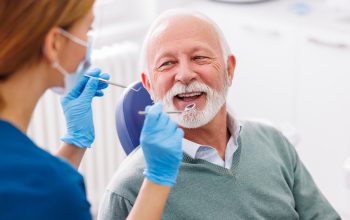
Modern practitioners, including those working as a private dentist Manchester, are increasingly incorporating microbiome-based approaches into their clinical practice. Rather than simply waging war against all bacteria, the focus has evolved towards cultivating a balanced microbial community that naturally resists pathogenic species. This fundamental change in perspective represents one of the most significant developments in dental science since the widespread adoption of fluoride.
Understanding the Oral Microbiome
A Complex Ecosystem
The human mouth harbours approximately 700 different species of bacteria, alongside various fungi, viruses, and other microorganisms. This diverse community forms a dynamic ecosystem where beneficial species can outcompete harmful ones when conditions favour balance. Research into the oral microbiome’s connection to overall human health has revealed that these microscopic inhabitants influence far more than just dental wellness, with implications for cardiovascular health, diabetes management, and immune function.
The Balance of Power
Health and disease within the oral cavity depend largely upon the equilibrium between beneficial and pathogenic bacteria. When this balance tips towards harmful species, conditions such as dental caries, periodontal disease, and halitosis can develop. Conversely, a thriving population of beneficial microorganisms creates an environment that naturally suppresses disease-causing bacteria through competitive exclusion and the production of antimicrobial compounds.
Revolutionary Treatment Approaches
Probiotic Interventions
One of the most exciting developments emerging from microbiome research involves the therapeutic use of probiotics specifically formulated for oral health. These beneficial bacterial strains can be introduced through specialised lozenges, chewing gums, or rinses designed to colonise the mouth and restore microbial balance.
Precision Antimicrobial Therapy
Traditional antimicrobial treatments often employ a scorched-earth approach, eliminating beneficial bacteria alongside harmful ones. Modern microbiome-informed strategies utilise targeted antimicrobials that selectively eliminate pathogenic species whilst preserving the beneficial microbial community. This precision approach reduces the risk of dysbiosis and subsequent recolonisation by opportunistic pathogens.
Personalised Treatment Plans
Advanced diagnostic techniques now enable dental professionals to analyse individual patients’ oral microbiomes, identifying specific bacterial imbalances that contribute to disease. This personalised approach allows clinicians to tailor interventions based on each patient’s unique microbial profile, moving away from one-size-fits-all treatment protocols towards truly customised care strategies.
Clinical Applications and Patient Benefits
The practical applications of microbiome science extend across numerous areas of dental practice. In periodontal therapy, understanding the role of oral bacteria in dental health has led to improved treatment outcomes through microbiome-modulating interventions. Patients suffering from recurrent caries are benefiting from probiotic supplementation that helps establish protective bacterial colonies on tooth surfaces.
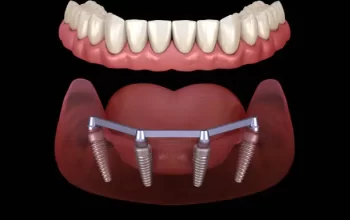
Furthermore, the journey of oral microbiome research in transforming modern dentistry continues to unveil new therapeutic possibilities. From managing oral malodour through bacterial rebalancing to preventing implant-associated infections, the applications appear boundless. Dental professionals are discovering that supporting the oral microbiome can enhance treatment outcomes across virtually all aspects of oral healthcare.
The Future of Dental Care
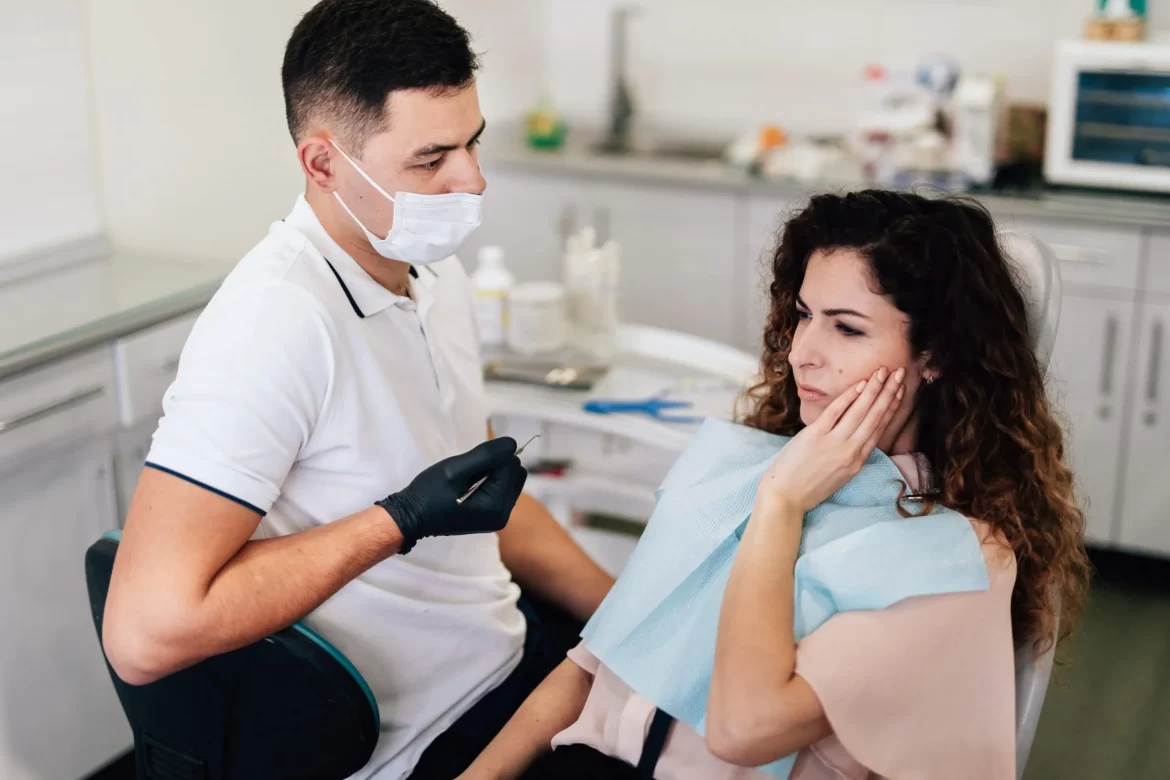
As microbiome science continues to advance, the future of dentistry looks increasingly sophisticated and patient-centred. The integration of these principles into mainstream practice represents a fundamental shift from reactive disease management towards proactive health optimisation. Patients seeking care from a private dentist Manchester or elsewhere can expect increasingly refined treatments that work harmoniously with their body’s natural defences rather than against them.
This transformation extends beyond clinical techniques to encompass preventative strategies, with emphasis on dietary modifications, lifestyle factors, and oral hygiene practices that nurture beneficial microbial communities. The evidence suggests that embracing microbiome science will continue to revolutionise dental treatment approaches, offering patients more effective, sustainable, and holistic oral healthcare solutions for years to come.